
Lunar Eclipse - Tonight!
Another sign that big changes are happening…

Lunar Eclipse - Tonight!
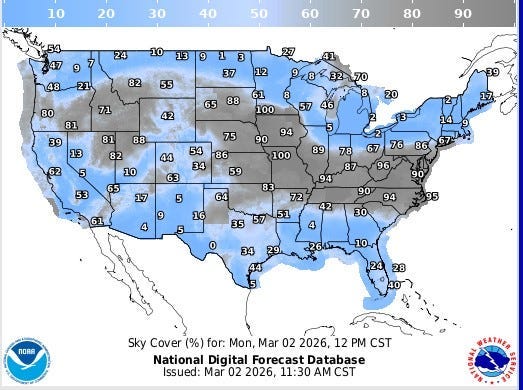
The total lunar eclipse on Tuesday, March 3, will be visible across New York, Boston, Los Angeles, Denver, Chicago and Miami, but east coast viewers only get 20 to 30 minutes before moonset. Find your exact viewing time and moonset information in the app to catch this rare celestial event.
More info:
/
How to Encourage Whistleblowers
Effective strategies address these barriers by reducing perceived risks, strengthening moral and prosocial motivations, reshaping social norms, and building trust in institutions.
1. Strong, Credible, and Enforceable Anti-Retaliation Protections
The single most important factor is dramatically lowering the perceived (and actual) risk of retaliation, which psychological research consistently identifies as the dominant deterrent.
Enact and vigorously enforce comprehensive whistleblower protection laws (e.g., modeled on expansions of the U.S. Whistleblower Protection Act or similar frameworks) that prohibit reprisals, cover a broad range of disclosures (violations of law, waste, abuse of authority, dangers to public health/safety), and include presumptions in favor of the whistleblower in retaliation cases.
Establish fast-track, independent investigation bodies (e.g., dedicated Offices of Special Counsel or Inspectors General with real enforcement power).
Impose meaningful penalties on retaliators (including personal liability for supervisors) to create deterrence.
Require agencies to include explicit whistleblower rights statements in all nondisclosure agreements and policies.
When people believe protection is real and retaliation will be swiftly punished, reporting intentions rise substantially.
2. Meaningful Financial and Career Incentives / Rewards
Behavioral research shows that extrinsic rewards can outweigh loyalty costs, especially when tied to outcomes.
Implement or expand qui tam-style reward programs (15–30% of recovered funds, as in False Claims Act, SEC, IRS, or Dodd-Frank models) for high-impact cases involving fraud, waste, or serious misconduct.
Offer monetary recognition awards (even modest ones up to certain limits) for successful disclosures that produce public benefit or cost savings.
Provide career protections and positive incentives (e.g., priority consideration for promotions or public commendations for ethical courage).
These tap into fairness motivations while counterbalancing personal sacrifice.
3. Multiple Safe, Anonymous, and Trusted Reporting Channels
Sociological and psychological studies emphasize that ease of access and anonymity reduce fear and moral disengagement.
Create independent, secure hotlines (internal agency + external third-party or centralized government channels).
Allow fully anonymous reporting options (with secure follow-up mechanisms).
Designate Whistleblower Protection Coordinators in agencies to educate, guide, and support potential whistleblowers confidentially.
4. Proactive Communication, Education, and Norm-Shifting Campaigns
Social norms powerfully shape behavior; many people overestimate how many others support silence.
Launch broad public education campaigns that highlight successful whistleblowers as heroes serving the public interest (rather than traitors), using real stories to normalize reporting.
Regularly disseminate statistics showing majority support for whistleblowing and high rates of colleague approval for reporting serious wrongdoing.
Provide mandatory training for employees and managers on rights, processes, and the value of speaking up, emphasizing moral courage and public service motivation.
Use subtle nudges (e.g., periodic ethical reminders in high-risk processes, statements like “Most public servants believe serious wrongdoing should be reported”).
5. Build Organizational Cultures of Psychological Safety and Ethical Leadership
From a sociological viewpoint, whistleblowing thrives in environments where speaking up is ordinary rather than exceptional.
Require leadership to visibly model and reward ethical behavior while punishing retaliation.
Foster psychological safety through regular “speak-up” messaging from the top.
Conduct independent audits of agency culture regarding retaliation fears and trust in reporting systems.
Publicly celebrate positive outcomes from whistleblowing (e.g., lives saved, funds recovered) to reinforce prosocial norms.
/

So sad about the # of Guardians at Schriever Space Force Base"committing" suicide. Since we know our thoughts are being monitored 23/7 these poor people are being taken out before they can blow the whistle. Gov't corruption. Crimes against humanity.
The boss of all experiments of CIA is the Science And Tecnlogy... investigate this!!!